
A QR code is a convenient entry point, but the printed square alone does not prove that a product is genuine. It can be photographed, copied and reproduced like any other visible element on packaging.
The identity behind the code matters
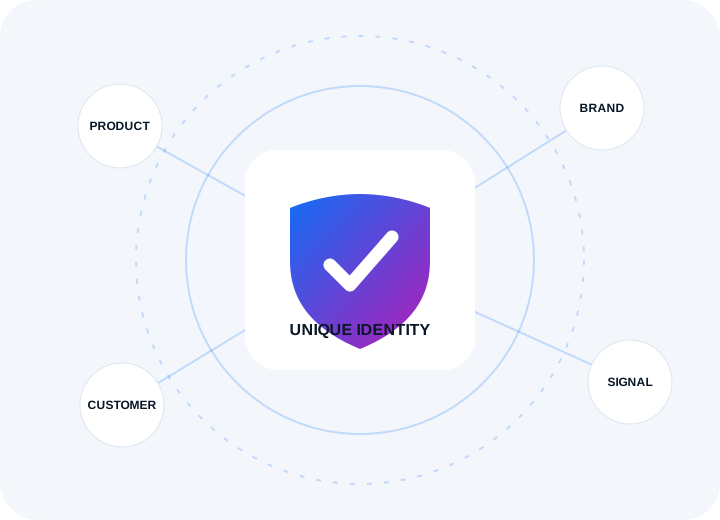
Effective product authentication begins with a unique identity assigned to an individual item or controlled unit—not a shared link printed across every package. The system must know which identity should exist, which product it belongs to and how it has been used.
When a customer verifies a product, the platform can evaluate more than whether a web address opens. It can determine whether the identity exists, whether the request is the first or a repeat verification and whether the configured event pattern deserves attention.
Digital and physical security work together
No single feature solves every counterfeit risk. A useful design may combine unique digital identity with confidential brand-protection measures selected for the product, packaging, sales channel and threat model. Detailed implementations should remain restricted to authorised parties.
Authentication should create value
A good verification experience gives the genuine customer a clear answer and useful next step. For the brand, aggregated event information can help reveal geographic patterns, unusual repeat activity and other signals worth investigating.
The QR code is therefore the interface—not the trust system itself.
Trust infrastructure for physical products.