
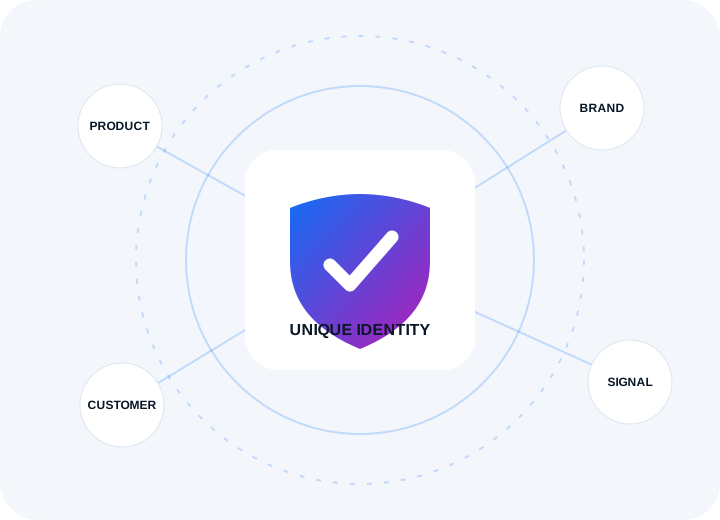
Most product data describes a type of product or a production batch. Product-level identity goes further: it gives an individual item its own digital reference.
From product type to individual item
A catalogue identifier answers “what product is this?” A batch number helps answer “when or where was this group produced?” A unique product identity can answer “which specific item is this?”
That distinction creates a foundation for authentication, configured supply-chain events, customer interaction and structured lifecycle information.
What the identity can connect
Depending on the deployment, the identity may connect to the product model, production batch, market, security-label information and selected events. Customer-facing information can remain simple while authorised brand users access the operational view appropriate to their role.
Identity is infrastructure
The long-term value comes from using the same identity foundation across several needs. A brand can begin with customer verification and later connect additional product information, channel events or Digital Product Passport data without replacing the core identifier.
The objective is not to collect every possible event. It is to create a controlled, useful and explainable chain of trust around the physical product.
Trust infrastructure for physical products.